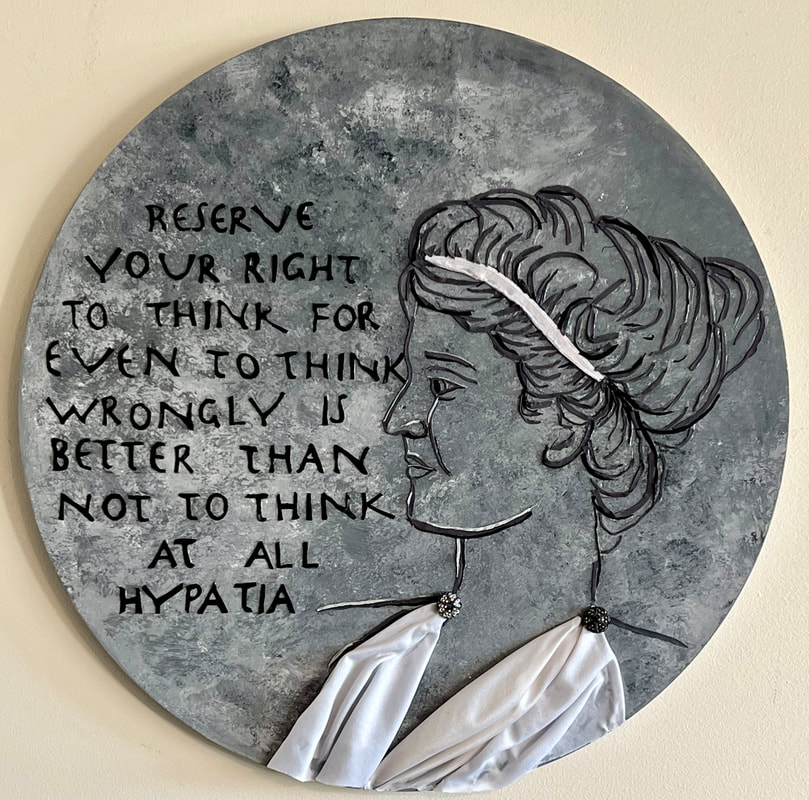
 Theatre in the Round - Trailblazing Women - March 2024
Hypatia (350/370-415) her exact age is unknown, and was born in Alexandra, Egypt. Hypatia is the first documented female philosopher, astronomer, and mathematician. She was a teacher that taught students from all over the Mediterranean. She was gruesomely murdered by a mob of Christians 415 AD and became known as the Martyr of philosophy. In the twentieth century, she became an icon of women's rights and is considered the forerunner of feminism, as demonstrated in this quote from Wikipedia, "Damascius states that Hypatia remained a lifelong virgin and that, when one of the men who came to her lectures tried to court her, she tried to soothe his lust by playing the lyre. When he refused to abandon his pursuit, she rejected him outright, displaying her bloody menstrual rags and declaring "This is what you really love, my young man, but you do not love beauty for its own sake." Damascius further relates that the young man was so traumatized that he abandoned his desires for her immediately." Mad props to the historians that documented this quote throughout history.
0 Comments
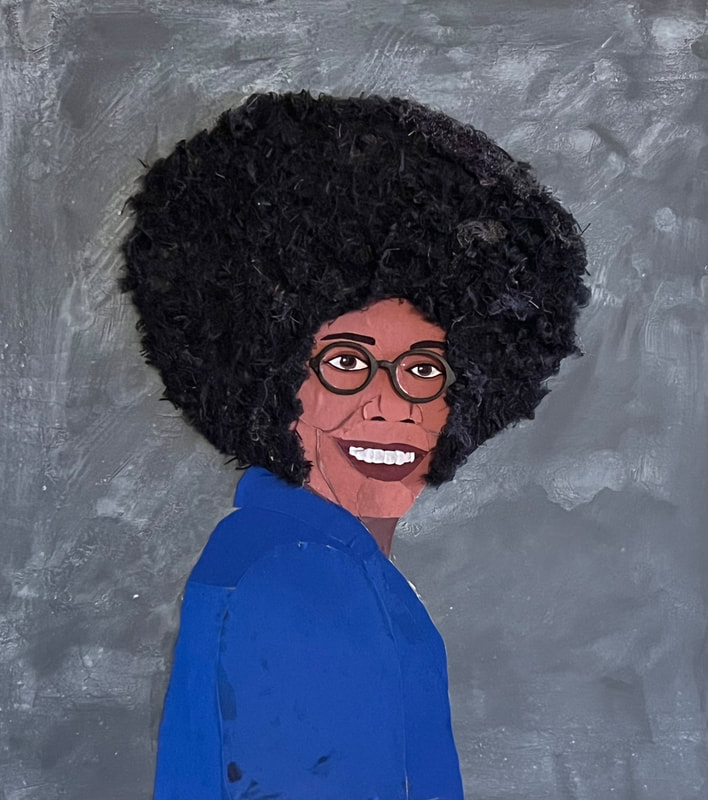 Theatre in the Round - Trailblazing Women - March 2024
Valerie Thomas (1943-Present) was born in Baltimore, Maryland. Thomas invented the technology for data to be transmitted to create images from satellites.To quote Biograhy.com Over the course of her career, Thomas contributed widely to the study of space. She helped to develop computer program designs that supported research on Halley's Comet, the ozone layer, and satellite technology. For her achievements, Thomas received a number of NASA awards including the Goddard Space Flight Center Award of Merit and the NASA Equal Opportunity Medal. Her success as a scientist, despite the lack of early support for her interests, inspired Thomas to reach out to students. In addition to her work at NASA, she mentored youths through the National Technical Association and Science Mathematics Aerospace Research and Technology, Inc. 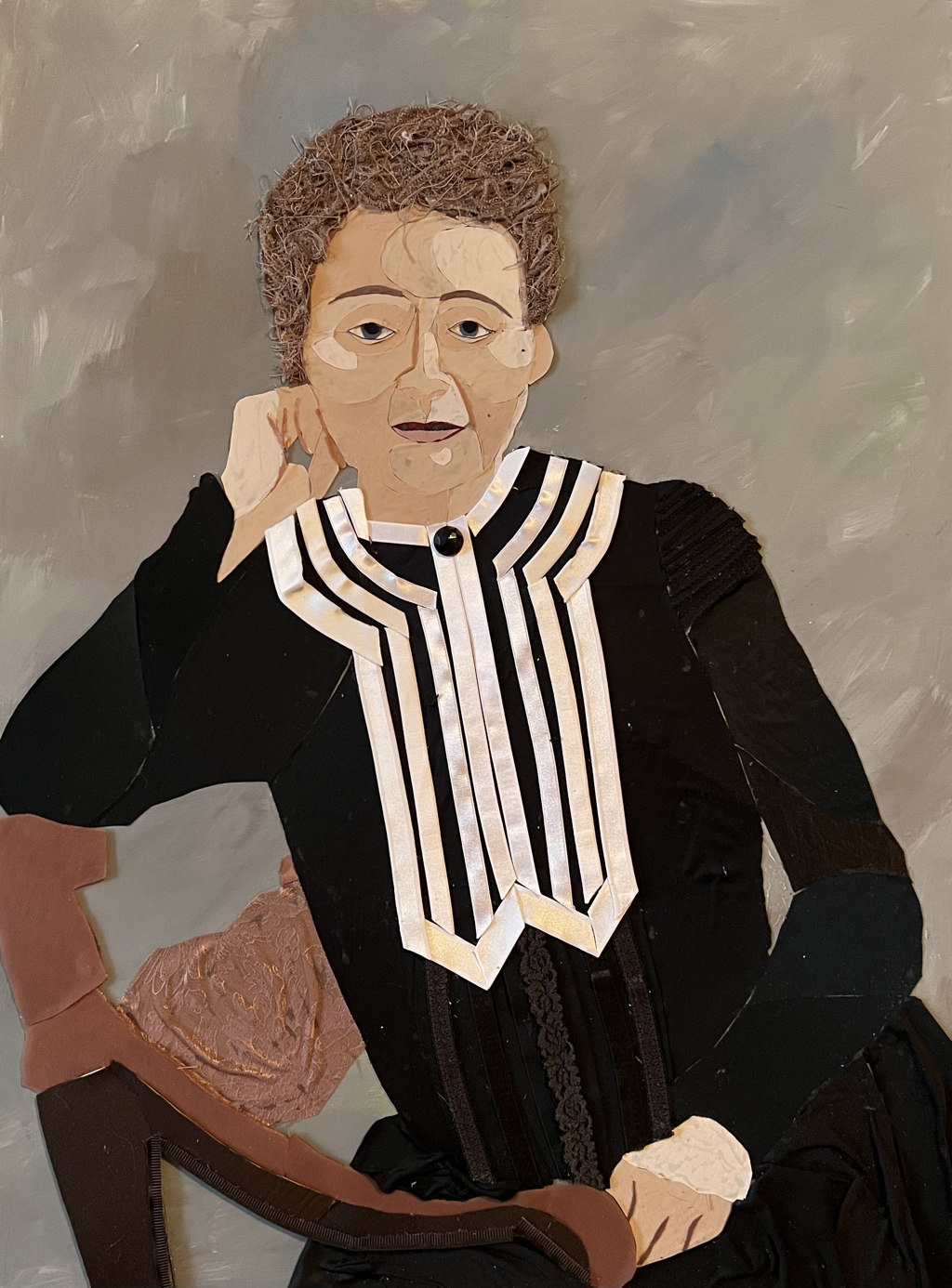 Theatre in the Round - Trailblazing Women - March 2024
Madame Marie Curie (1867-1934) was born in Warsaw, Poland. Curie is often called the mother of modern physics and is most famous for her work in radioactivity and winning two Nobel Prizes. Curie was the first woman to win a Nobel Prize and is the only woman to win two in different scientific fields. Marie and her husband Pierre Curie were both passionate scientists and she succeeded her husband as the Head of Physics Laboratory at the Sorbonne. She had two daughters, and never slowed down her scientific work. Curie died from harmful side effects of radioactive exposure. The book The Madame Curie Complex was a primary source of inspiration for this series of women in science. 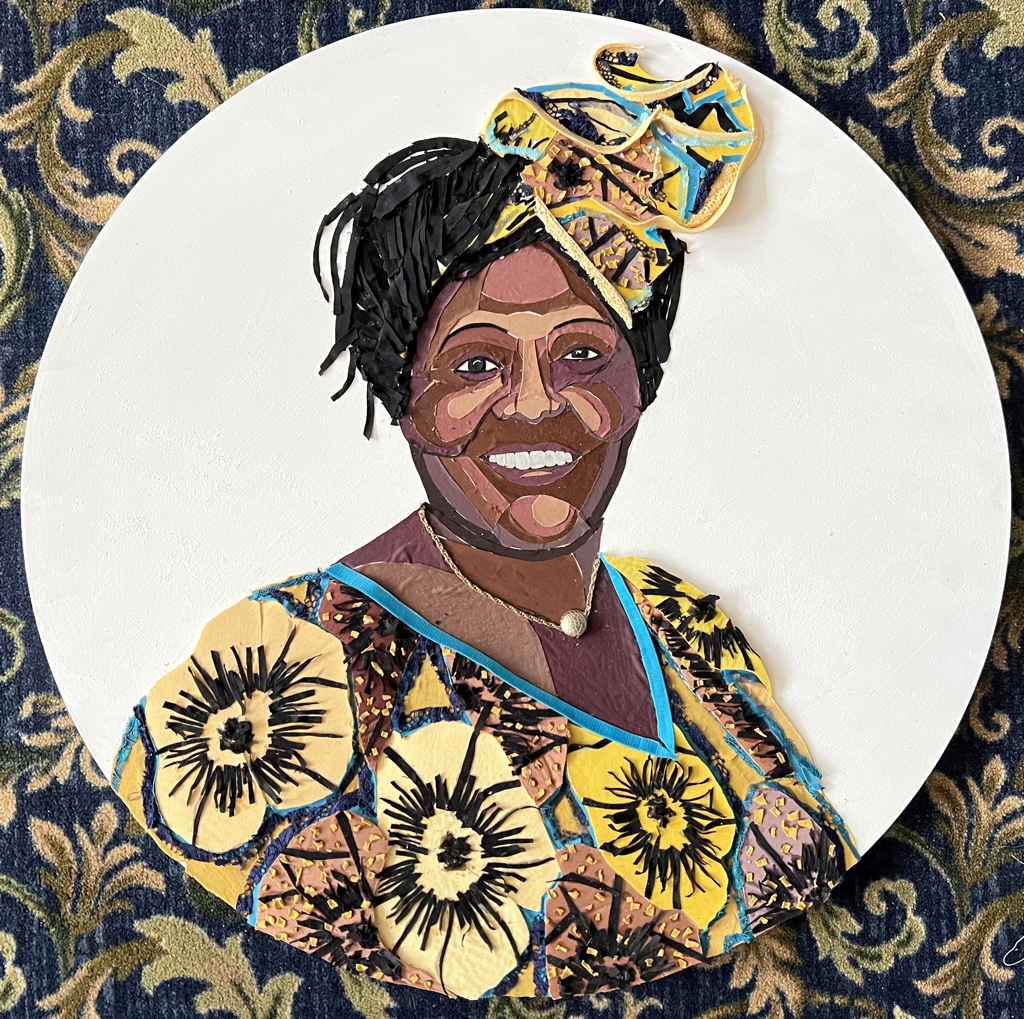 Theatre in the Round - Trailblazing Women - March 2024
Wangari Maathai (1940-2011) was born in Ihithe, Tetu, Kenya. Maathai has extensive education: an undergraduate degree in biology from Mount St. Scholastica College, a masters degree in biology from University of Pittsburgh and studied for a doctoral degree at University of Giessen, University of Munich and taught at the University of Nairobi while she finished her dissertation. Maathai also founded the Green Belt Movement (GBM is a grassroots organization that empowers women through the planting of trees). The GBM is known for its work in combating deforestation, and generating income for women. To quote the Green Belt Movement: Her life was a series of firsts: the first woman to gain a Ph.D. in East and Central Africa; the first female chair of a department at the University of Nairobi; and the first African woman and the first environmentalist to receive the Nobel Peace Prize (2004). Honored throughout the world for her work for the environment, democracy, and peace, Professor Maathai was the author of four books including her autobiography: Unbowed and the subject of a documentary film, Taking Root. Maathai has spoken at many UN conferences and won a Nobel Peace Prize. This spring you should plant a tree in her honor. 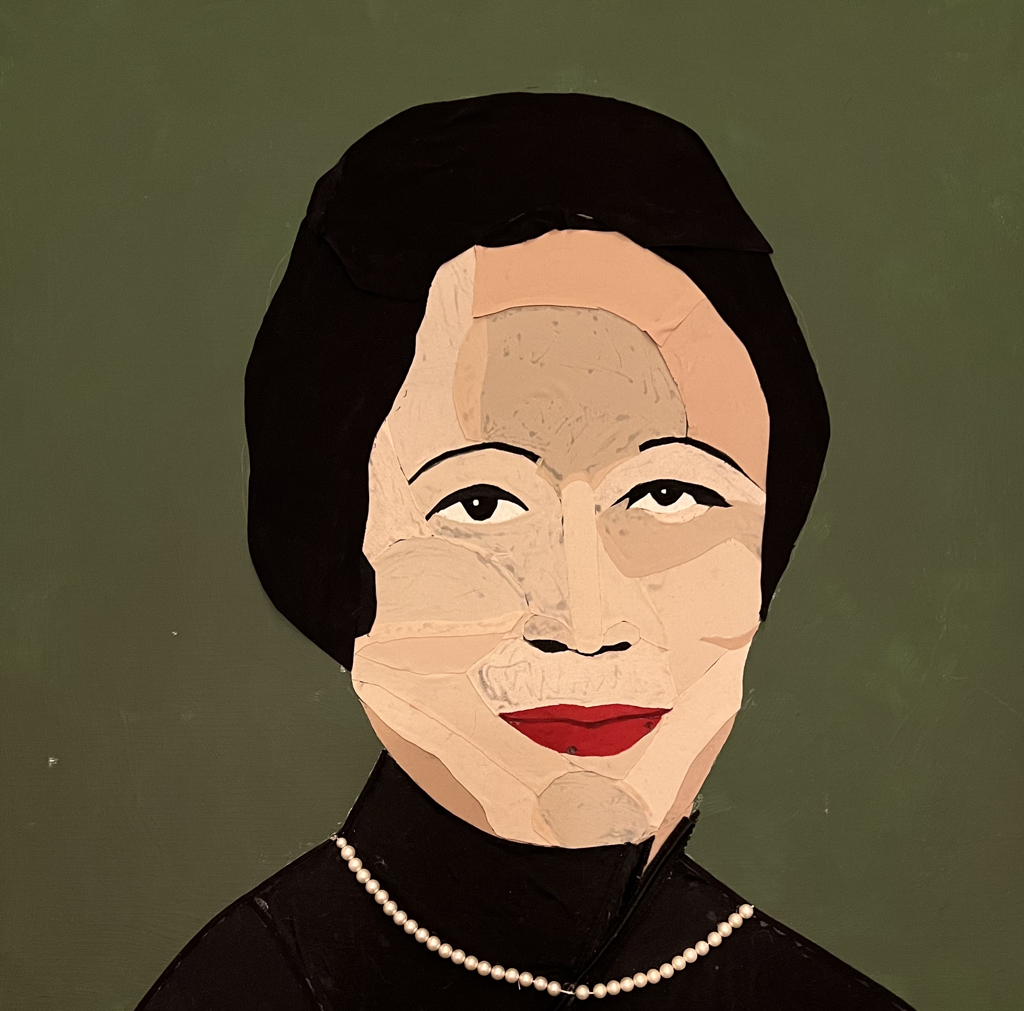 Theatre in the Round - Trailblazing Women - March 2024
Chien Shiung Wu (1912-1997) was born in Liuhi, Taicang in China to a family that supported and encouraged her education. While serving as a researcher at the Institute of Physics at Academia Sinica, her supervisor Gu Jing-Wei Encouraged Wu to obtain a Phd at University of Michigan. Wu was shocked by the sexism at Michigan, which did not allow female students to use the front entrance and decided to attend Berkely. Wu is best known for her contribution in the Manhattan Project where she conducted the Wu Experiment. Her male counterparts on the project were awarded Nobel prizes. She received the National Medal of Science and served as the president of the American Physical Society. Wu developed the nickname First Lady of Physics, and her contributions to physics were often compared to the contributions of Madam Curie. After retiring from Columbia University, she encouraged women to go into the sciences. I would LOVE to listen to one of her motivational speeches. 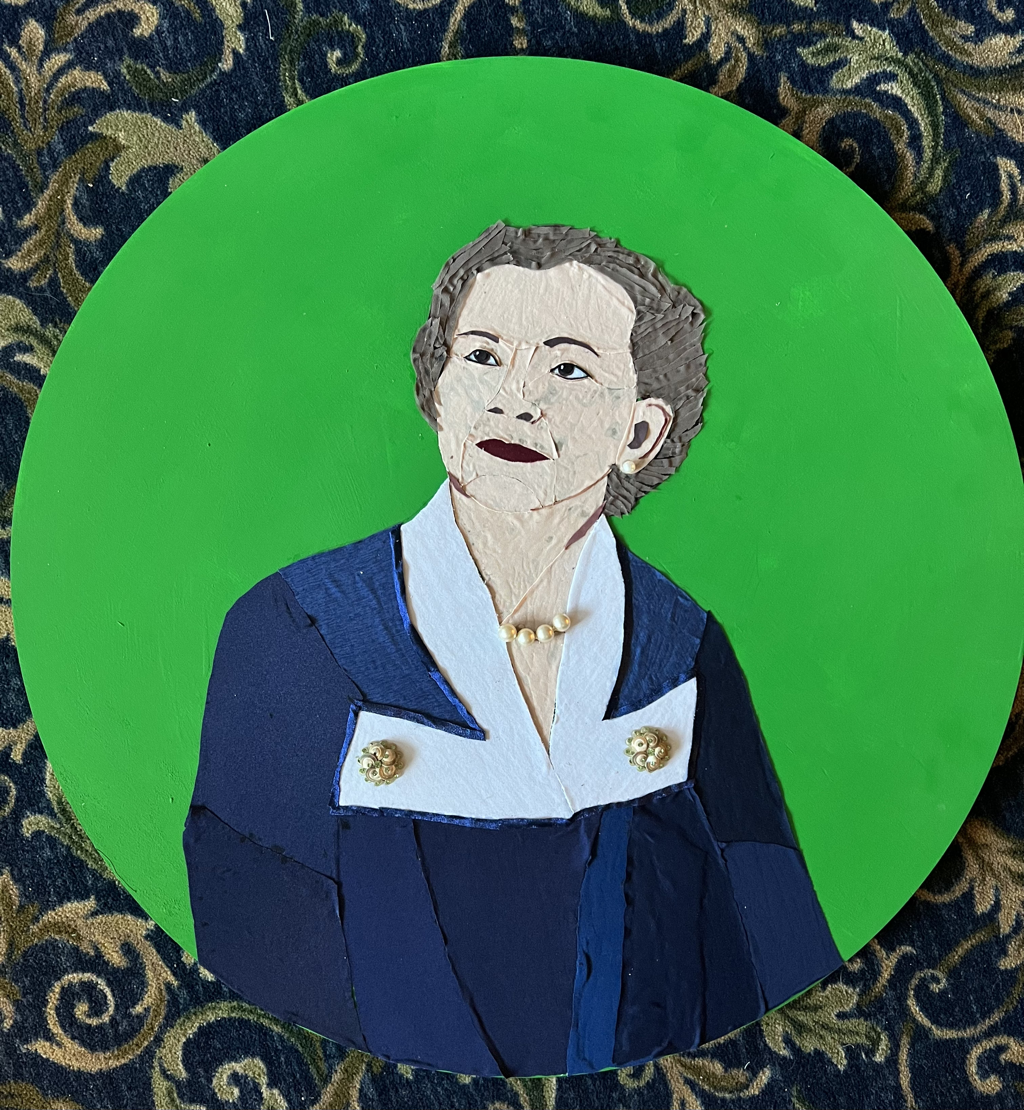 Theatre in the Round - Trailblazing Women - March 2024
Rachel Carson (1907-1964) was born in Silver Spring, Maryland. Starting with English, but switching to biology. She studied at Pennsylvania College. She continued with zoological studies at Johns Hopkins, but was forced to leave to support her family during the Great Depression. She took a position with the U.S. Bureau of Fisheries, writing scripts for a weekly educational radio broadcast, Romance Under the Waters. Carson wrote many books, but her best known book, Silent Spring, is considered a springboard of the environmental movement. Silent Spring documented the harm that pesticides caused, alluding that someday all the birds and bugs would be dead, leading to a silent spring. This led to a public outcry in DDT, which allowed many species of endangered birds to rebound. Creating controversy with the chemical companies, she was personally attacked to discredit her. I wish I could bring her back to life, with her writing skill, I would love to see the hell she could raise on the internet. 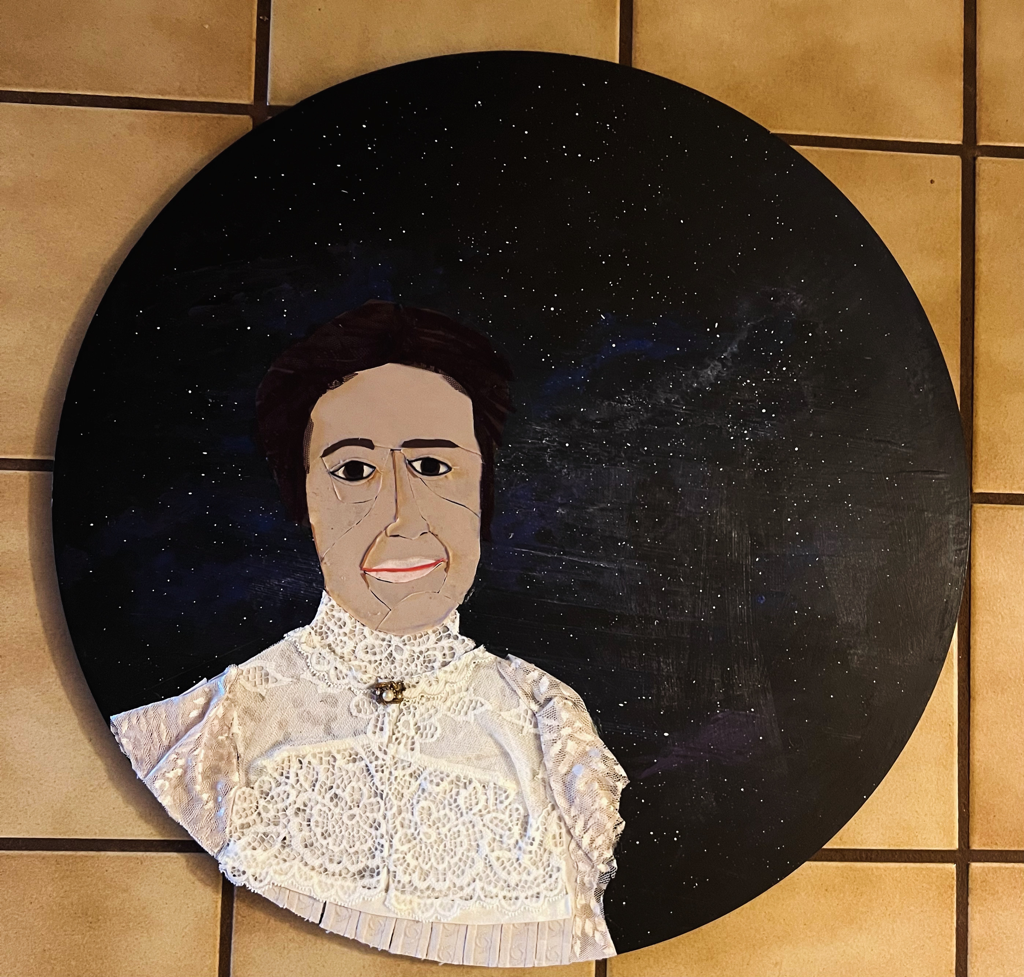 Theatre in the Round - Trailblazing Women - March 2024
Henrietta Leavitt (1868-1921) was born in Lancaster, Massachusetts. Leavitt attended Radcliffe and worked as a human computer at Harvard College Observatory. She discovered cepheid variables, which is the standard that astronomers use to measure the distance between galaxies. I did the set design for Silent Sky at Theatre in the Round in March of 2024. It was a great artistic challenge to have a set design paired with a brart gallery 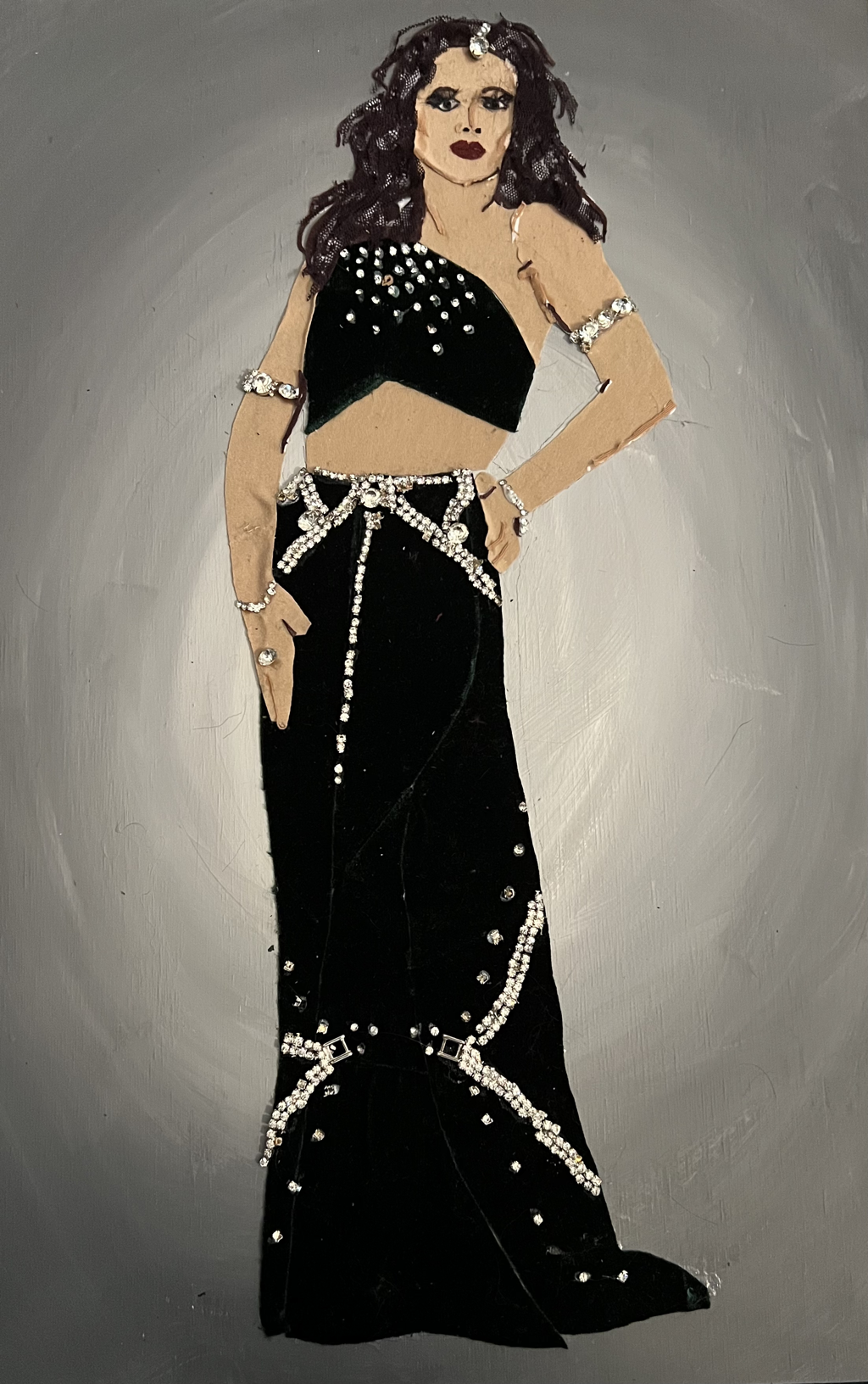 Theatre in the Round - Trailblazing Women - March 2024
Hedy Lamarr (1914-2000) was born in Vienna, Austria. Lamarr is a world renowned beauty. Her beauty and movie career often over shadow her other life accomplishments. She married a rich weaponry manufacturer and often found herself as the only women in the room, listening to conversations on weapons and wireless communications. When people of Jewish decent began to be discriminated against, Lamarr fled Austria and her abusive husband. To reestablish her career in acting, she fled to Hollywood. As her career was established, she wanted to help with the war effort. In her spare time after days of filming, she became an inventor. Inspired by the player piano, she and composer George Antheil developed the frequency hopping technology that improved the Allies weaponry and has become the foundation for many of our modern technologies. To learn more, you can read The Only Woman in the Room, a biography of her life. Go read it, it's good, it will infuriate and inspire you. |
AuthorMinnesota native, Sadie started making brart (bra-art) in 2019. Archives
February 2024
Categories |

 RSS Feed
